

The Mammoth Book of the Vietnam War
The Mammoth Book of the Vietnam War
Author : Jon E. Lewis
Publisher : Little, Brown Book Group
By 1969, following the French defeat at Dien Bien Phu, over 500,000 US troops were âin countryâ in Vietnam. Before Americaâs longest war had ended with the fall of Saigon...
SKU
9781472116062Sub total
Rs. 920.00Couldn't load pickup availability
Estimated delivery 5-7 days
People are viewing this right now
Description
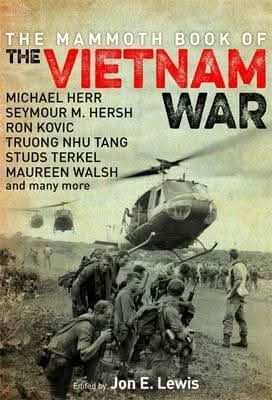
By 1969, following the French defeat at Dien Bien Phu, over 500,000 US troops were âin countryâ in Vietnam. Before Americaâs longest war had ended with the fall of Saigon in 1975, 450,000 Vietnamese had died, along with 36,000 Americans. The Vietnam War was the first rock ânâ roll war, the first helicopter war with its doctrine of âairmobilityâ, and the first television war; it made napalm and the defoliant Agent Orange infamous, and gave us the New Journalism of Michael Herr and others. It also saw the establishment of the Navy SEALs and Delta Force. At home, America fractured, with the peace movement protesting against the war; at Kent State University, Ohio National Guardsmen fired on unarmed students, killing four and injuring nine.
Lewisâs compelling selection of the best writing to come out of a war covered by some truly outstanding writers, both journalists and combatants, includes an eyewitness account of the first major battle between the US Army and the Peopleâs Army of Vietnam at Ia Drang; a selection of letters home; Nicholas Tomalinâs famous âThe General Goes Zapping Charlie Congâ; Robert Masonâs âR&Râ, Studs Terkelâs account of the police breaking up an anti-war protest; John Kifner on the shootings at Kent State; Ron Kovicâs âBorn on the Fourth of Julyâ; John T. Wheelerâs âKhe Sanh: Live in the V Ringâ; Pulitzer Prize-winner Seymour Hersh on the massacre at My Lai; Michael Herrâs âIt Made You Feel Omniâ; Viet Cong Truong Nhu Tangâs memoir; naval nurse Maureen Walshâs memoir, âBurning Fleshâ; John Pilger on the fall of Saigon; and Tim OâBrienâs âIf I Die in a Combat Zoneâ.