

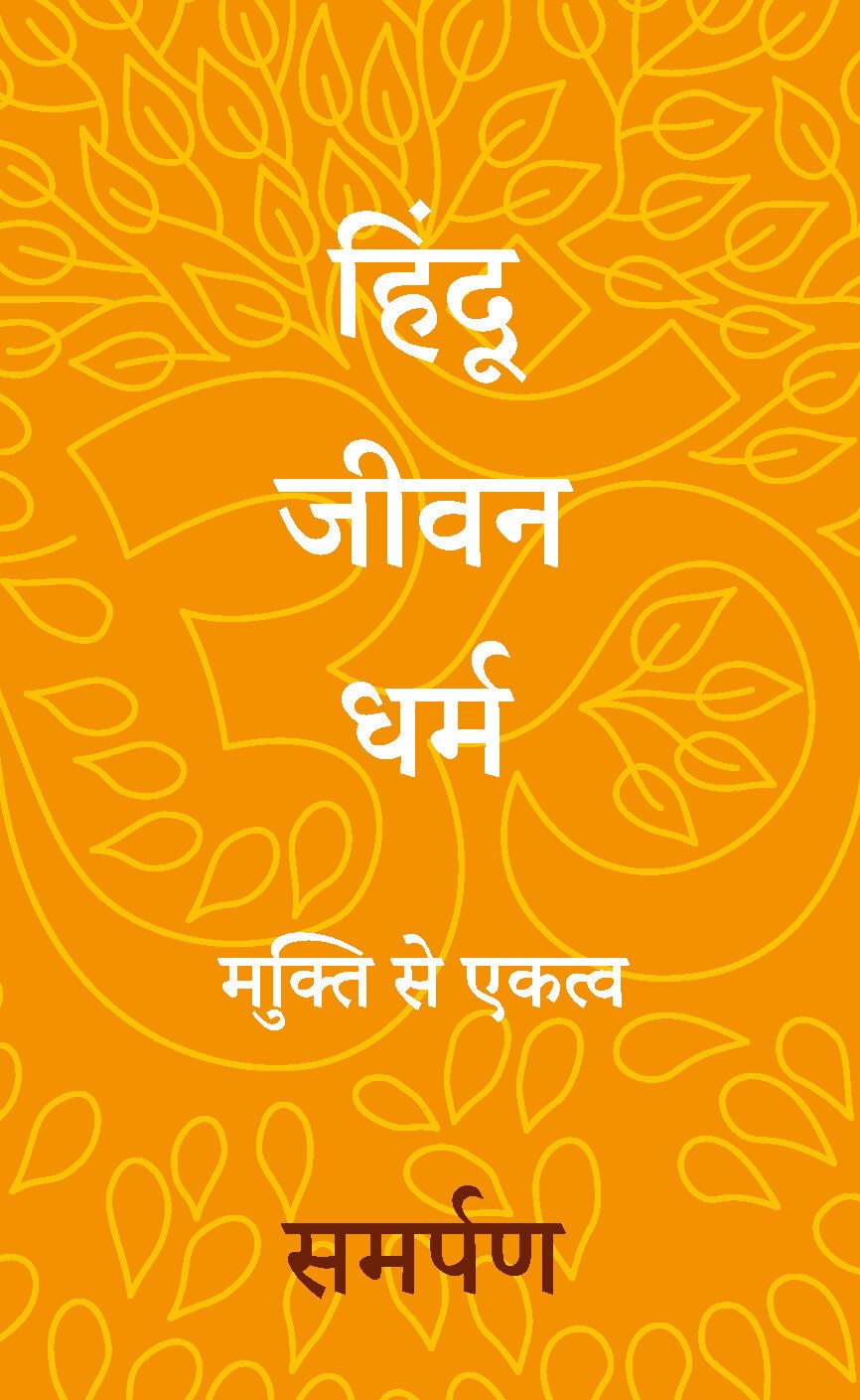
The Hindu Way (Hindi)
The Hindu Way (Hindi)
Author : Samarpan
Publisher : Pan Macmillan India/Pan
This passage explains that a true spiritual journey begins when a person turns away from external achievements and shifts their focus inward, seeking self?understanding and inner truth. It emphasizes that...
SKU
97893611339783 In stock
Sub total
Rs. 140.00Couldn't load pickup availability
Estimated delivery 5-7 days
People are viewing this right now
Description
This passage explains that a true spiritual journey begins when a person turns away from external achievements and shifts their focus inward, seeking self?understanding and inner truth. It emphasizes that men and women are fundamentally equal, a concept reflected in ancient Vedic traditions where female sages (??ik?s) studied alongside male sages (??is) and even composed sacred hymns.
The text further highlights the core spiritual idea that only God is the ultimate truth. The world we experience is described as an expression of divine energy — a play of illusion or m?y? — and therefore incomplete in itself. True completeness exists only in the divine. Through this perspective, the passage encourages inner exploration, equality, and the pursuit of spiritual truth beyond worldly appearances.