

Portraits from Memory
Portraits from Memory
Author : Mahadevi Varma & Ruth Vanita
Publisher : Harper Perennial In
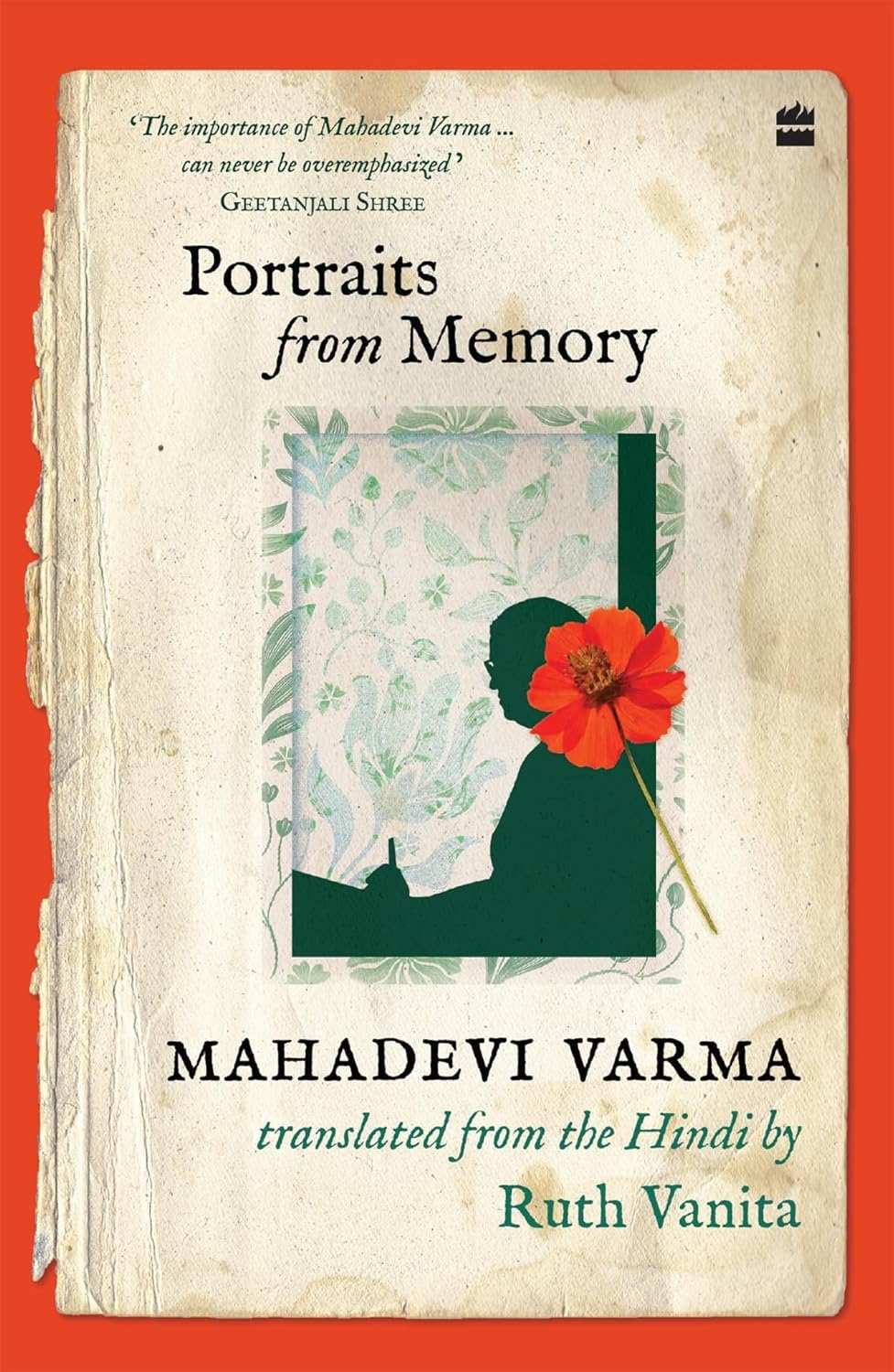
Portraits from Memory brings together two evocative collections of pen-portraits—Ateet ke Chalchitra (1941) and Smriti ki Rekhayen (1943)—written by Mahadevi Varma, widely regarded as the greatest Hindi woman poet of...
SKU
978936989090310 In stock
Sub total
Rs. 319.00Couldn't load pickup availability
Estimated deliver 5-7 days
People are viewing this right now
Description
Portraits from Memory brings together two evocative collections of pen-portraits—Ateet ke Chalchitra (1941) and Smriti ki Rekhayen (1943)—written by Mahadevi Varma, widely regarded as the greatest Hindi woman poet of the twentieth century and a masterful prose writer. In these sketches, Varma recounts the unforgettable lives of ordinary people she encountered: a young agricultural labourer's son who trades his clothes for a watermelon to gift his teacher, impoverished women who shoulder family responsibilities while dreaming of education in their next lives, and a potter who, inspired by calendar art, crafts a beautiful image of Saraswati despite his lack of skill. These portraits also offer glimpses into Mahadevi Varma’s own unconventional life as a single woman in early twentieth-century India, who lived and traveled independently, forming deep connections across boundaries of class, gender, age, nationality, occupation, and even species. Translated into English by Ruth Vanita, the collection stands as a moving tribute to the courage, dignity, and individuality of the unsung Indians who helped shape modern India. Born on Holi in 1907, Mahadevi Varma earned an MA in Sanskrit from Allahabad University and served as principal and later vice-chancellor of Prayag Mahila Vidyapeeth, a pioneering institution for women. A participant in Gandhi’s independence movement, she edited several journals, including the women’s magazine Chand, and was a leading figure in the chhayavad movement of Hindi poetry. Her poetic works include Nihar (1930), Rashmi (1932), Nirja (1933), Yama (1939), and Deepshikha (1942), while her prose spans memoirs, essays on women’s issues like Shrinkhla ki Kariyan (1942), and literary criticism such as Sahityakar ki Astha (1962). She translated extensively from Sanskrit to Hindi and established a trust to support struggling writers. In 1979, she became the first woman fellow of the Sahitya Akademi and received numerous honors, including the Jnanpith Award (1982), Padma Bhushan (1956), and Padma Vibhushan (1988). She passed away in 1987, leaving behind a legacy of literary brilliance and social commitment.