

Critical Times
Critical Times
Author : May, Derwent
Publisher : Fiction
Product Description A comprehensive, colourful and highly entertaining history of 100 years of that great British institution: the Times Literary Supplement; published for its centenary year Critical Times is a...
SKU
9780007114498Sub total
Rs. 180.00Couldn't load pickup availability
Estimated delivery 5-7 days
People are viewing this right now
Description
Product Description
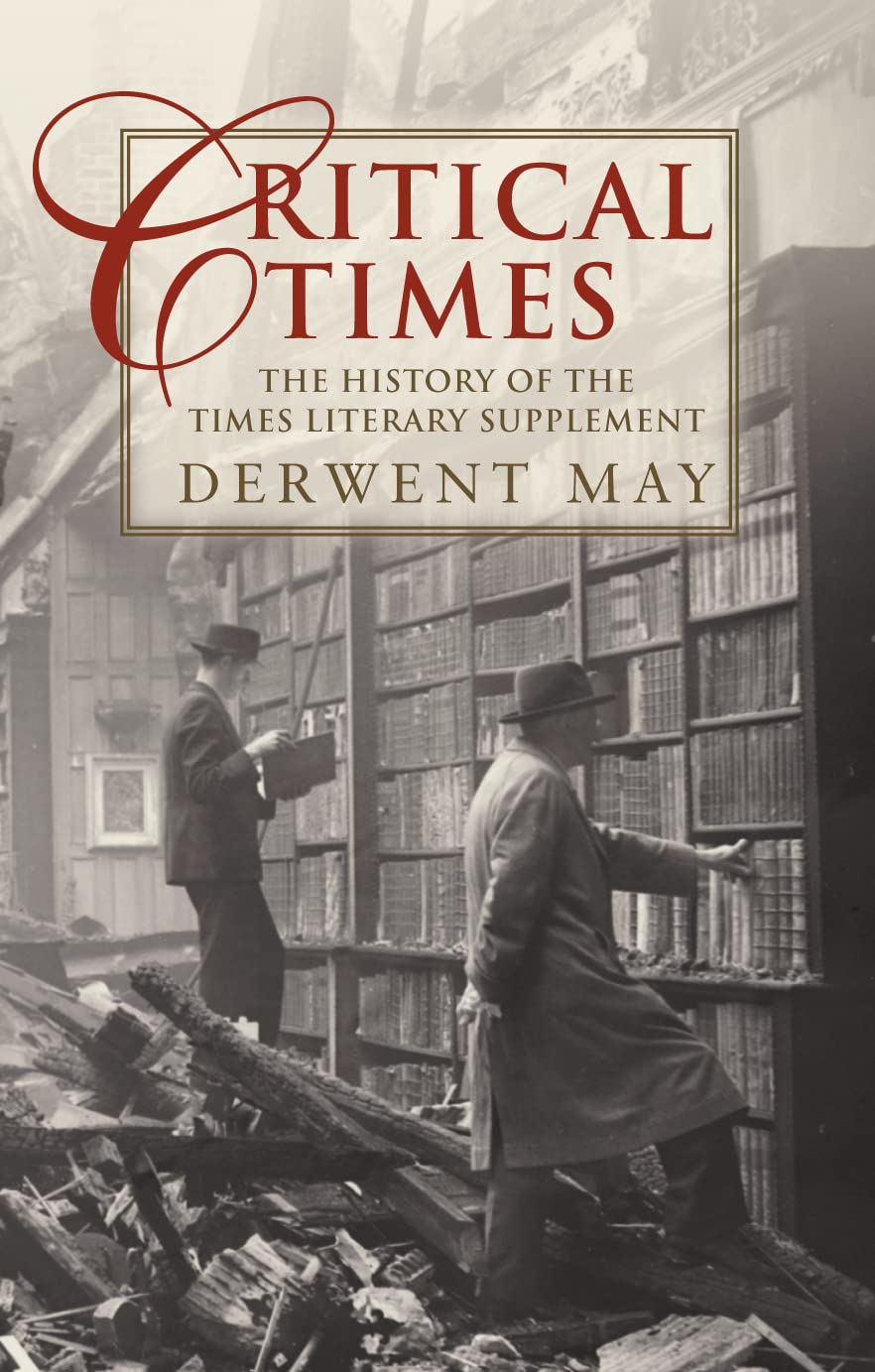
A comprehensive, colourful and highly entertaining history of 100 years of that great British institution: the Times Literary Supplement; published for its centenary year
Critical Times is a dramatic and entertaining history of one of the great literary journals of the world, the Times Literary Supplement. Derwent May unfolds a hundred years of controversy and wit, from the paper's first appearance in the great epoch of Edwardian journalism in 1902, to its role as the voice of contemporary thought in the new millennium.
Revealed here for the first time also are the identities of the hundreds of the anonymous, powerful figures who reviewed for the paper, from T.S. Eliot and Aldous Huxley to George Orwell, Cyril Connolly and Anthony Powell. We see the tentative first writings of Miss V. A. Stephen evolve into the dashing and magisterial essays of Virginia Woolf; venomous spats between historians; the emergence of new novelists such as Salman Rushdie and Martin Amis, the mocking reviews with which the first poems of Ezra Pound were greeted, and the review of Evelyn Waugh's first book in which he was described throughout as 'she'. There are hoaxes and rows, contributions from poets ranging from Rudyard Kipling to Philip Larki n, and rich evocations of the changing atmosphere of life in Britain. Through the words of its columnists, we see the nation agonising morally in the First World War, and united in anger in the Second World War. We also watch the paper's battle to survive and the gallant defence of the paper's independence by one editor after another.
Critical Times is not only a biography of an institution but it is an amazing reflection of the changes in British literature and culture throughout the twentieth century.The book will form the centrepiece to the centenary celebrations of the paper’s foundation (17 January 1902) which in itself will attract widespread media and press attention.
From the Publisher
For one hundred years, from its tenuous beginnings in 1902,
THE TIMES LITERARY SUPPLEMENT, has been home to an astonishing assemblage of outstanding writers, each working against the backdrop of their times. During the First World War, with the paper reflecting on the rightness of the conflict, regular contributors included Virginia Woolf (then Miss A.V. Stephen) and the young T.S. Eliot. By the Second World War, the paper was articulating views on Nazi Germany, with commentators like George Orwell and Evelyn Waugh. Today, the
TLS continues to hold up a mirror to literature, politics, and society. Derwent May—columnist for
THE TIMES—looks at the controversies, the jests, the quarrels, the court cases. A fascinating, skillfully illuminated chronicle of a century of distinguished journalism.
From the Back Cover
A comprehensive, illuminating and highly entertaining biography of that great British institution: the 'Times Literary Supplement'
For one hundred years, from its first tenuous year in 1902, the 'Times Literary Supplement' has been home to an astonishing assemblage of outstanding writers, each working against the backdrop of their times. For instance through the period of the Boer war Rudyard Kipling, Virginaia Woolf and John Buchan joined the paper's reviewing team; and during the First World War, with the paper reflecting on the rightness of that war, it attracted Rubert Brooke, Robert Graves and Sigfried Sassoon to its ranks. But the Second World War the paper was articulating views on Nazi Germany with such commentators as Orwell and Evelyn Waugh. And so the 'TLS' continues to hold a mirror up to politics, literature and society today.
Derwent May also examines relations between critics, writers, editors and staff on the paper; the controversies, the jests, the quarrels, the court cases. Revealed here too for the first time are the identities of the journal's anonymous reviews (a tradition which lasted to 1974).
About the Author
Derwent May has been